Seda Meral
Department of Engineering - Architecture, University of Istanbul Arelhttps://orcid.org/0000-0002-6053-2581
A person can perceive a place from different angles with different senses. The sense of smell produces permanent information in human memory depending on certain temporal and spatial factors. Place-making can be considered alert physical and mental relationships established with space, containing habits and subjectivities. In the context of place-making practices, experiencing a part of the city via smell-walking creates a smell topography. Even if the smells are the same, the smell topographies of the users produce subjective information for the same space. Questioning the subjective contribution of smell topographies to place-making constitutes the main issue of this study. Within the scope of the study, smell walks were carried out by different participants in Kadıköy Pier and Bazaar. One of the study results is that while smell topographies are the object of the place, it is also the subject of the place-making.
1. Introduction
In the perception of a place, when viewed with architecture, it can be said that smells have a permanent place in human memory depending on certain temporal and spatial factors. People can perceive the environment in which they live from a different angle through a different sense and can revive some memories.
Human perceives their environment with their six senses. One of these is the sense of smell. Naturalist Diane Ackerman (1990:28) stated that smell perception travelled and was interpreted much faster than other senses. Therefore, it is thought that smell has an important place in spatial and environmental memory.
Place-making can also be considered all bodily and mental relationships established with space, which contain habits and subjectivities. Therefore, it contains some traces from the past. These traces are revealed and remembered by the sense of smell. Making a smell walk in one of the daily places where place-making practices are seen creates a certain smell topography. Even if the smells are the same, some traces from the past will be different. So, the smell topographies are also considered subjective. When considered in the context of the architecture and urban design, questioning the subjective contribution of smell topographies to place-making constitutes the central issue of this study.
The sense of smell is the strongest sensation that activates the human memory and the formation of a place’s spirit based on some traces from the past in the essence of place-making practices associated with architecture. At this point, the subjectivity of placemaking overlaps the subjectivity of the smell memory. This overlapping allows looking at the issue of place-making from a different point in the context of architecture. In addition, it was aimed to create awareness for the individual about the existence of a multisensory perspective rather than an environmental perception dominated by only sight.
2. Materials and Methods
Within the scope of the study, it was envisaged to make a smell walking in any of the daily living areas, which are a part of place-making practices. This study was designed as a pilot study of a detailed placemaking study. At this stage, it was studied with three participants. Qualitative research was envisaged as a method. Quantitative techniques are planned to be used to analyse and visualise the data. In this pilot study, three people will perform smell walks individually, and during this personal experience, individuals will create a sensory map for the smells they perceive. These individual sensory maps will be compared to represent the smell topographies. The area considered as the field study is the route that starts from Kadıköy pier and ends at a certain point of the Kadıköy bazaar. Expected study outcomes are ‘the sense of smell is as important as the sense of sight in the perception of place’, and ‘the topographies of the smell are the objects of the place and subjects of the placemaking’.
3. From Space to “Place”, On the Meaning and Subjectivity of Place-Making
“The ideas “space” and “place” require each other for definition. From the security and stability of place we are aware of the openness, freedom, and threat of space, and vice versa. Furthermore, if we think of space as that which allows movement, then place is pause; each pause in movement makes it possible for location to be transformed into place.” Yi-Fu Tuan, 1977:6
The concept of place-making is subjective due to the subjectivity of “place”. As the geographer Yi-Fu Tuan (1977:6) stated above, there is a distinction between space and place. According to the Turkish Language Association definitions, “place”: Is used in many meanings, such as the space that a person covers or can cover the place, the foot stepped on the place, the place where one lives, and the living areas. However, the “place” described here is considered synonymous with “space” (Doğan, 2011:3898). Although space and place are used in the same sense in everyday language, there are conceptual differences between the words “place” and “space” in areas such as architecture, philosophy, sociology, etc. (Creswell, 2004:133-134). An architect and urban historian, Dolores Hayden, describes the place as an incomprehensible concept and expresses it with the analogy “a suitcase so overfilled one can never shut the lid” (Hayden, 1997:82). According to Creswell (2004:135-136), place” is where people relate, touch, connect in one way or another; they are influential positions. It is understood from here that “place” is a concept that contains belonging, privacy, memory, and spirit. At this point, it differs from the basic dimensional structure of “space”. This point of view also overlaps Schulz’s concept of genius loci (spirit of the earth). Christian Norberg-Schulz (1979: 29-47) tried to explain the spirit of the “place” concept with the tension between the dynamics and opposing concepts that transform space into “place”. With a similar point of view, Heidegger’s (2011:115-119) concept of being/being in the world (dasein) also mentions that “place-making” is formed by knowledge based on experience. When considered within the place-making context, what makes the place appears as an essential subject of discussion than how the place is. “Place” can be thought of as a set of experiences and memories produced in one’s mind. Therefore, it is possible to look at the concept of “place-making” as a mental phenomenon. Even if the “place” is the same, the “place” produced in each individual’s mind will differ with the differentiation of experience and memory. Considering that every individual has an effort to acquire a “place” from the moment he is born, all mental relations established with space are the concept of “place-making”. Therefore, “place” is a subjective concept.
Placemaking can be explained as establishing mental and physical relationships with the place through habits and experiences in the memory of a person or a particular group. The concept of “place-making”, which can also be considered the appropriation of the “place” in a way, tries to establish a relation of belonging to the place through specific experiences that individual or social memory contains. This situation constitutes the mental dimension of “place-making”. In addition, there is a place relationship that occurs with routine, daily actions. These relationships constitute the bodily dimension of “place-making”. Considering the six senses that a person perceives his environment in the practice of “place-making”, it can be said that it is at the intersection of body and mind.
4. Smell Sense and Its Perception Mechanisms
When the physical, chemical and biological processes of smell perception are examined, it is said that the combination of eight substance molecules is sufficient to trigger smell stimulation at the nerve end, and thus more than ten thousand smells can be distinguished by humans (Gümüştaş, 2015:42). It is a general opinion that the sense of vision is dominant in daily life. However, when we look at the birth process of human beings, it is evident that the sense of vision is used last, and seeing experiences are the last because the first experiences of the world from birth consist of the senses of smell, touch, and taste through sensual contact.
There are two primary purposes of smell perception. The first is the drive to protect oneself from difficult and damaging things, and the second is personal taste factors (Ünver Fidan, 2018: 748-749). The smell perception allows the body and mind to identify smells and put them into certain categories. The smell perception process is carried out unconsciously (Henshaw, 2014:32-36). The cognitive process emerges with the formation of smell memory. When processing the smell perception mechanism, the person makes a judgment according to the situation of being familiar or unfamiliar after perceiving the smell. If it is not a familiar smell, it sees it as a suspicious threat and regards it as “unpleasant” (Porteous, 1990: 24). When familiar smells are perceived, the mind processes them on the memory of previous experiences and associations and removes them from perceiving them as threats (Engen, 1991:15). Memory differs individually, socially, and culturally in each individual (Gilbert & Wysocki, 1987:172), which is also true for “places”. Different smells or smell combinations can be experienced in different places, meaning that the different smell components that come together to create a particular smell are unique to one place. It means that the mixture of smells in different proportions has the potential to create a smell texture of a place (Henshaw, 2014:36).
4.1 Smell and Place Memory Relationship
“Often the most enduring memory of a place is its smell.” Pallasmaa, 2011:67
As Pallasmaa (2011:67) stated, the place the smell acquires in the human memory emerges when our eyes forget a place and remind us of that place. Because of the unconscious realisation of smell perception processes, “places” are often coded with smells, and the mind does this in a short time that people cannot notice (Ackerman, 1990:15).
The smell texture that evokes a place comes into existence usually with the memory, physical characteristics, or emotional associations they relate to. Peter King (2008:71) expresses this situation with the following words: “What if the place we are in is different from the physical area we currently live in? What if the things we miss are elsewhere? … Certain objects, smells, smiles, or expressions, certain actions or events, or a word; all of this happens outside of our control, beyond our understanding. But any of these elements or impressions make us feel “at home” in such a way that we cannot find the physical space in which we are now stuck.“ Smell is an active sense in remembering past events. This phenomenon, called the Proust phenomenon, reveals that people remember in detail their past experiences when they were exposed to odor. (Herz, 1998: 137-152).
Perception of the smell texture of the place also has social and cultural dimensions, including pre-formed representations (Figure 1). Considering these social and cultural dimensions and emotions and experiences, the concept of “spirit of the place” can be associated with the smell texture of the place. Individual representations of the smell texture at a particular time and place can reflect the essence of that “place”.
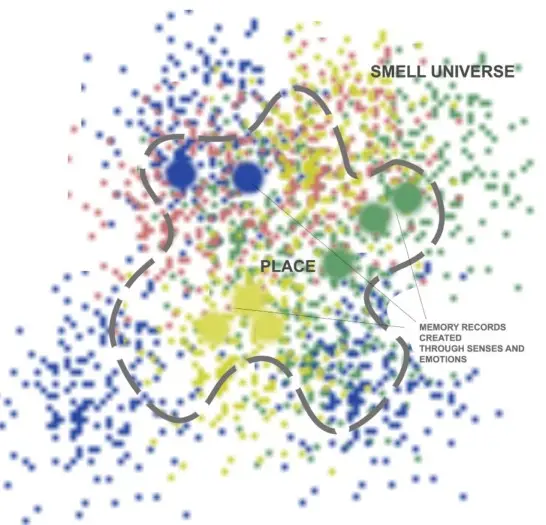
Figure 1. Memory relationship with smell and place (Produced by S. Meral)
5. The Memory of Kadıköy
The core of the settlement in Kadıköy is the area between Haydarpaşa Bay and Moda Cape. It is thought to have started the first human settlements around Istanbul between 5000-3000 BC. Neolithic ruins from these years, especially around Fikirtepe, are evidence of the first settlements on the Anatolian side. BC. Apart from the settlement that was formed around Fikirtepe and Kuşdili Çayırı in 1000, a secondary settlement called Halkedon was formed between Moda Cape and Yoğurtçu. BC. In 658, the Byzantines came to Istanbul and settled in Sarayburnu. During this period, the beauty of Sarayburnu and its surroundings affected the Byzantines, and they described the inhabitants of the Anatolian side (in Kadıköy) as blind. Because while the beauty of the European side remains, it cannot make sense of why they live in Anatolia. For this reason, Kadıköy has been known as the “Country of the Blind” for many years.
Halkedon became an important religious centre in the Middle Ages. Trade in the region has also developed, especially with the continuation of trade relations with Nicosia and Byzantium. Eastern goods took their place in Halkedon Markets. Being on the seashore has led to the development of fisheries and agriculture. With Istanbul’s conquest by Fatih Sultan Mehmed in 1453, the region had been given to Hızır Bey, who was appointed as the Kadi of Istanbul. After that, this place was named “Kadıköy” after the name of Kadı Hızır Bey (Ünver, 1995:63).
When it comes to the Ottoman Period, Kadıköy and its surroundings were used as summer and recreation areas. Kadıköy, under Ottoman rule, was a multicultural village where Armenians, Greeks, Levantines, Jews, and Turks lived. In the Republican Period, Kadıköy, which was attached to the Üsküdar Sanjak for a long time, became a district in 1930. Kadıköy, which was highly affected by the events of September 6-7 in 1955, witnessed most non-Muslim tradespeople leaving the region during this period. Later, with the implementation of new zoning plans, the population started to increase rapidly, and the region’s density increased day by day thanks to the intense migration of Istanbul from Anatolia since the 1950s (Tunalı, 2011:46).
It is known that the first shopping areas in Kadıköy Bazaar are located in Yasa and Muvakkithane Streets and its immediate surroundings (Figure 2 and Figure 3). In the area where the ground floors are shops and the upper floors are residences, this type of settlement has been seen since the 19th century. The settlement, which usually consists of 2-3-storey masonry structures, forms the architectural texture of the Kadıköy Bazaar. Kadıköy Bazaar was also affected by the intense immigration wave of Istanbul since the 1950s, and changes took place in its economic, social, and cultural structure. The departure of the non-Muslim tradesmen of the ground floor shops, which created the original bazaar texture, caused these shops to change hands. In addition, the upper floors used as residences have also started to commercialise. Looking at the present day of the Kadıköy bazaar, it is seen that it has functions such as the fish market, the spice market, eating and drinking places, clothing, and stationery (Figure 4).
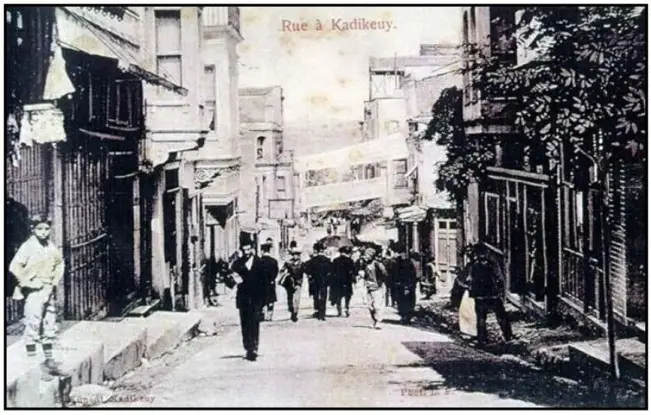
Figure 2. An old view from Muvakkithane Avenue (Source: Sema Tunalı’s archive)
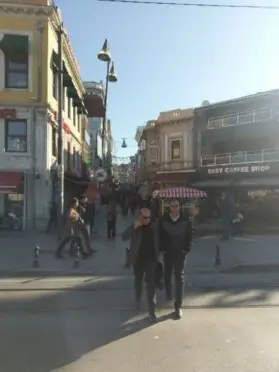
Figure 3. An updated view from Muvakkithane Avenue (Source: Seda Meral’s archive)
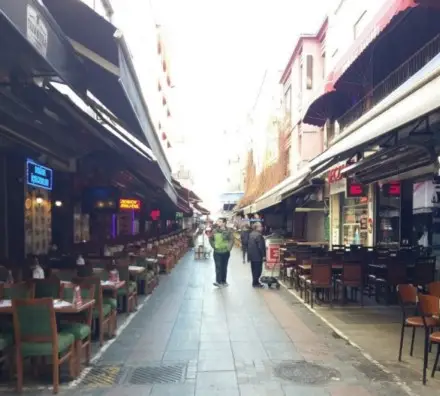
Figure 4. Fish Restaurants in Kadıköy Bazaar as a place of habit (Source: Seda Meral’s archive)
Kadıköy pier and its surroundings is an important transition area connecting Kadıköy to Europe via sea transportation. Kadıköy, a summer resort especially since the 1st World War, ceased to be a summer resort by entering into a residence-work place relationship with the European side in the Republican Period (Selçuk, 2014:50). Considering that the role of sea transportation in the development of this situation cannot be denied, it can be said that the pier square and its surroundings have an important place in Kadıköy’s memory.
6. Field Study: Smellwalking in Kadıköy
Within the scope of the study, Kadıköy Pier and Bazaar Region, which are among the daily living areas that are a part of place-making practices, were determined as the study areas. Different individuals carried out smell walking in this area, and the smells perceived during the walk were processed on the determined route. The number of participants for the field study was determined as “three”. Before these smell walks started, preliminary questions were asked to the participants. These questions are as follows:
– When you think of the Kadıköy pier and the bazaar area, do you think of a characteristic smell or cluster of smells? What smell(s) come alive in your memory?
– Do you think the area in question has a specific smell?
– Are there any smells you like or do not like in the area in question?
After the preliminary questioning determined above, three people determined for the study individually carried out smell walks and processed the smells they perceived during this personal experience on the route map.
For the scope of this study, smell walks in the designated place were held in the afternoons, and time changes were excluded. Of course, the perception of smell is a concept that can change according to weather conditions. For this reason, care has been taken to choose the days when the wind factor is at the minimum level for the study (Table 1).
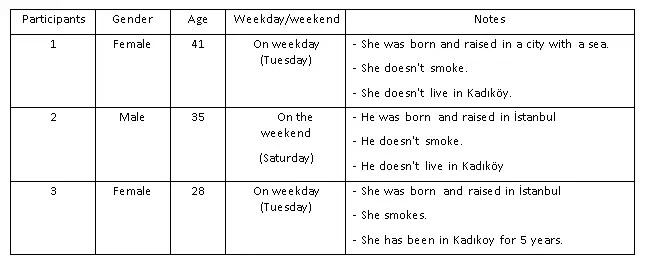
6.1 Smell Topographies
In the field study, smell textures obtained from smell walks with three participants were processed on the walking routes specified on the map, and individual smell topographies were created.
Participant 1 answered the preliminary questions asked before starting the smell walking as follows:
– When you think of the Kadıköy pier and the bazaar area, do you think of a characteristic smell or cluster of smells? What smell(s) come alive in your memory?
+ Coffee, Spice, and Fish smells come alive.
– Do you think the area in question has a unique smell?
+ Yes, it has, especially in the bazaar area; I find the mixture of Turkish raki, fish, and cigarette smells unique to this region. But this smell always reminds me of the drinking binge tables we set up as a family in my childhood. Maybe that is why I love this place.
– Are there any smells you like or do not like in the area in question?
+ There is no particular smell that I particularly dislike in this area. However, there are many smells that I do not like in Istanbul. Of course, these smells are also valid for this region. For example, I hate the smell of cigarettes and exhaust smoke. You pass through two main streets from the Pier area to the bazaar area. It is impossible not to sense these smells.
Participant 1 performed a smell walking on the route determined between 12.00-14.00 in the afternoon on December 26, 2017. The starting and ending point of the participant’s route is Kadıköy-Beşiktaş Pier. When the smells processed on the map after the walk are examined, the most intense smells are cigarette, fish, spice, exhaust smoke, fast food smell, coffee, textile, and sea smell. The fast-food smells, bagel, cake, confectionery, pastry, vegetables, and fruits were collected in the “food” category. The smells of coffee and other spices are collected in the “spice” category. Other smells have been considered a single category due to their singular dominance (Figure 5).
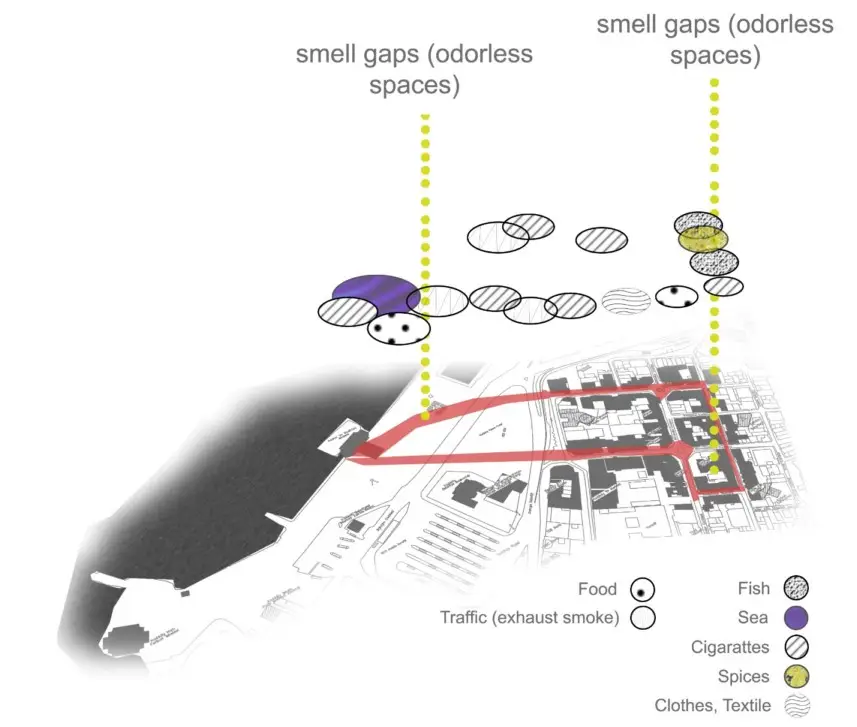
Figure 5. The Smell Topography of Participant 1.
Participant 2 answered the preliminary questions asked before starting the smell walk as follows:
– When you think of the Kadıköy pier and the bazaar area, do you think of a characteristic smell or cluster of smells? What smell(s) come alive in your memory?
+ sea, fish, fried oil, fruit.
– Do you think the area in question has a specific smell?
+ Yes, I think it has. For me, the sea smell of Kadıköy is different from the sea smell I get in other seaside settlements of Istanbul.
– Are there any smells you like or dislike in the area in question?
+ As I said, I always come to Kadıköy by sea transportation just to get the smell of the sea. I love this very much. Apart from that, there is an intense smell of fried food in the parts of the bazaar area where the restaurants have been, I do not like it very much, but I do not feel significant discomfort in general.
Participant 2 carried out the smell walk on the determined route between 14.00-16.00 in the afternoon on December 30, 2017. The starting and ending point of the participant’s route is Kadıköy IDO Pier. When the smells processed on the map after the walk are examined, the most intense smells are; people, perfumes, cigarettes, ship diesel, seafood, fast food, fried oil, fish, and confectionery. The fast-food smells, bagels, pastry, confectionery, pastry, fried oil smell, vegetables, and fruits were collected in the “food” category. Ship diesel smell was considered equivalent to the exhaust fumes of vehicles and evaluated in the “traffic” category. Human skin and perfume smells are gathered in the “human” category. Other smells have been considered a single category due to their singular dominance. In addition to these, the texture of “mixture” as a new category appears in this personal topography. This category includes the smell textures that are indistinguishable from each other but perceived and formed by the combination of many smells. This category put pressure on the participant in question, primarily through the entrance line to the bazaar area (Figure 6).
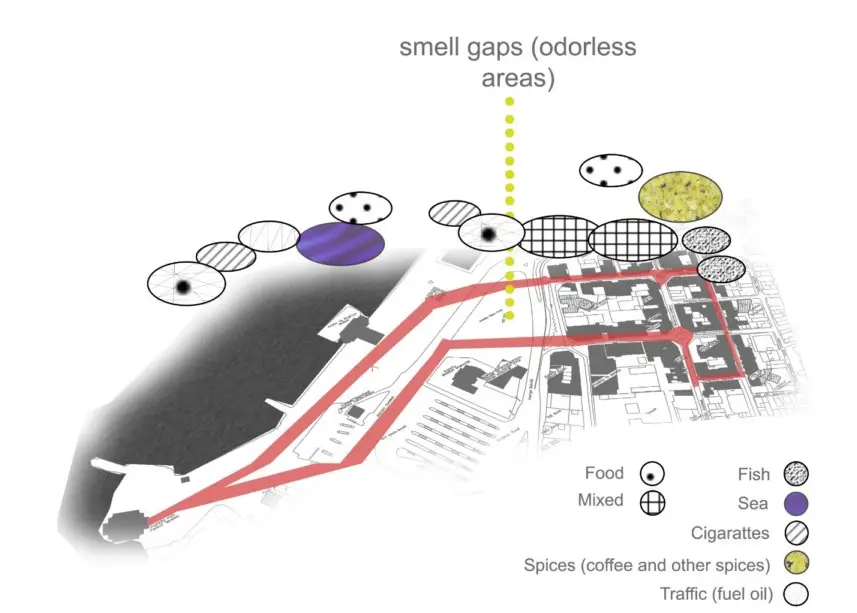
Figure 6. The Smell Topography of Participant 2.
Participant 3 answered the preliminary questions asked before starting the smell walk as follows:
– When you think of the Kadıköy pier and the bazaar area, do you think of a characteristic smell or cluster of smells? What smell(s) come alive in your memory?
+ coffee, cigarette, bagel, fish.
– Do you think the area in question has a unique smell?
+ I think it has, especially the fish market and fish restaurants smell a lot. Also, the smell of coffee in embers reminds me of this place. Nowadays, the smells of bookstores and books cafes come to my nose.
– Are there any smells you like or dislike in the area in question?
+ No specific smells I dislike. Human smell bothers a little because Kadıköy is very crowded on weekends. Apart from that, I love the smells of coffee in embers, especially in the bazaar area. For me, Kadıköy means some coffee and books. Maybe that is why I love it.
Participant 3 carried out the smell walk on the route determined between 14.00-16.00 in the afternoon on January 2, 2018. The starting and ending point of the participant’s route is Kadıköy-Beşiktaş Pier. When the smells on the map after the walk are examined, the most intense smells are; fast food, coffee, cigarette, bagel, fish, people, and the sea. All of the fast-food smells and bagels were collected in the category of “food”. Coffee has been evaluated in the “spice” category. Other smells have been considered a single category due to their singular dominance (Figure 7).
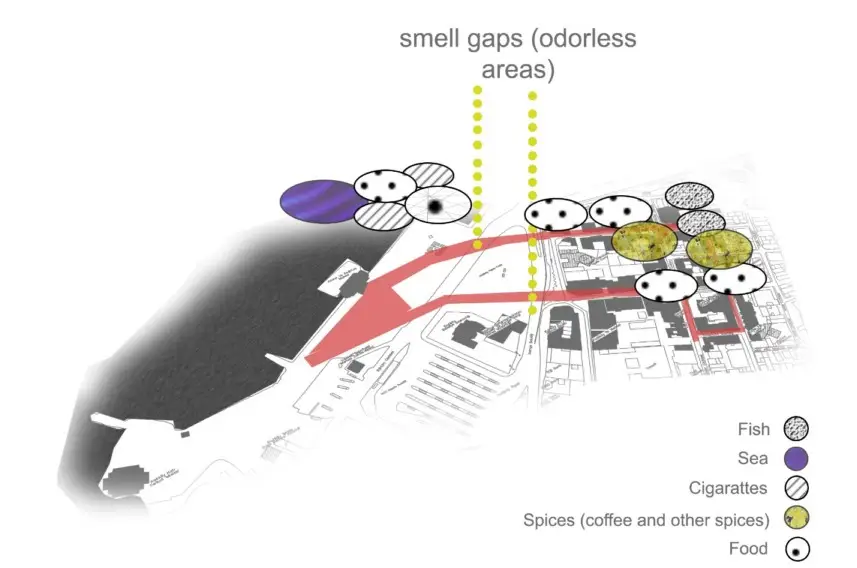
Figure 7. The Smell Topography of Participant 3.
7. Conclusion
Smells are the stimuli that surround every area of life and allow us to perceive any area where daily place-making practices are seen outside of visual boundaries. Considering that the first senses that human beings use starting from birth are touch, smell, and taste, it is evident that the sense of sight is not the primary and only sense in perceiving the environment. In the study, the relationship between the place-making concept and the sense of smell was established over the individual smell topographies that emerged from the smell walks in the Kadıköy Pier and Bazaar region.
When the smell topographies are compared based on the participants, one participant is living in Kadıköy, and two participants are living outside of Kadıköy. It is seen that the participant living in Kadıköy mentioned the fewer number of smells compared to the others in the preliminary questions asked about Kadıköy, and this is also reflected in the smell topography. It can be thought that his interests and personal “essence shape the relationship that the person in question establishes with “place”, which can be considered as assimilation rather than reduction.
If the participants are evaluated separately as smokers and non-smoker; It has been observed that this feature does not make a significant difference in smell topographies. Cigarettes’ smell, generally described as disturbing, stands out as a smell perceived during the transition from the pier to the bazaar, including the area around the pier.
One of the participants carried out a smell walk at the weekend (Saturday), and two carried out on weekdays (Tuesday). In the smell topography of the participant who took a smell walk at the weekend, the “mixed smell” category emerged, unlike the others. Considering that what is meant by this category is “the mixing of many smells that cannot be distinguished from each other and create a new smell”,; it comes to mind that weekend usage is more intensive than weekdays and that the smell texture of the “place” may have changed accordingly and this may cause the formation of the mixed smells category.
When the participants are evaluated according to gender, it can be said that the male participant perceives fewer types of smells than the other two female participants. There is a “mixed smells” category in the smell topography of the subject participant. It raises the question of whether the “mixture smells” category, which is thought to emerge according to the number or density of fragrances that vary depending on weekday and weekend use, is due to a difference arising from smell perception mechanisms depending on gender.
Smell gaps were formed at certain points in the smell topography of each participant. These regions are generally seen around the pier square. It is thought that the dispersion of smells due to air circulation causes this situation.
It is found that the sense of smell is as important as the sense of sight in the perception of the place, and the topographies of the smell are the objects of the place, while they are subject of the place-making because they individually have memory background.
During the data collection phase of this pilot study, a map of the region was given to the participants, and they processed the map with their representation methods during the smell walk. Although this situation seems optimistic about the emergence of original forms of representation, as the number of participants increases, it may cause the researcher to have difficulty in the data analysis process. This pilot study showed that; the number of participants should be increased for the research to present meaningful data. By increasing the number of participants in the main study planned for the future, a research design supported by artificial intelligence-based applications is envisaged in data collection, analysis, evaluation, and visualisation phases.
Acknowledgement
This research did not receive any specific grant from funding agencies in the public, commercial, or not-for-profit sectors.
Conflict of interests
The author declares no conflict of interest.
References
Ackerman, D. (1990). A Natural History of the Senses. New York: Random House.Creswell, T. (2004). Place: a short introduction. USA: Blackwell Pub.
Engen, T. (1991). Odor sensation and Memory. NewYork: Praeger.
Gilbert, A.N., Wysocki, C.J. (1987). The Smell Results: Survey. National Geographic, 1(4), 172. ISSN 0027-9358,
Gümüştaş, S., (2015). Body-interactive Experience Spaces. (Unpublished Master Thesis). İstanbul Technical University, İstanbul, Turkey. https://polen.itu.edu.tr/handle/11527/14256?mode=simple
Hayden, D. (1997). The Power of Place: Urban Landscapes as Public History. Massachusetts: MIT Press.
Heidegger, M. (2011). Varlık ve Zaman, (Çev. K. H. Ökten). İstanbul: Agora Kitaplığı.
Henshaw, V. (2014). Urban Smellscapes. New York: Routledge.
Herz, R. S. (1998). An examination of objective and subjective measures of experience associated to odours, music, and paintings. Empirical Studies of the Arts, 16(2), 137-152. https://journals.sagepub.com/doi/10.2190/C43T-CJR2-9LPD-R0PB
King, P. (2008). Memory and Exile: Time and Place in Tarkovsky’s Mirror. Housing, Theory and Society, 25(1), 66-78. https://doi.org/10.1080/14036090601151269 https://www.tandfonline.com/doi/abs/10.1080/14036090601151269
Norberg-Schulz, C. (1979). Khan, Heidegger and the Language of Architecture. Oppositions, 18, 29-47.
Pallasmaa, J. (2011). Tenin Gözleri [Eyes of The Skin]. İstanbul: Yem Yayın.
Selçuk, İ. (2014). Socio-economic and Outcomes of Transformations in City Centers: The Pedestrianisation of Kadıköy Historic Centre. (Unpublished Master Thesis). Yeditepe University, İstanbul, Turkey.
Tuan, Y.F. (1977). Space and Place: The Perspective of Experience. Minneapolis: University of Minnesota Press.
Tunalı, S. (2011). Yiyeceğe Dayalı Satış Çevrelerinde Sosyo-kültürel Etmenlere Bağlı Değişimlerin Mekansal Yansımaları:1980 Sonrası Kadıköy Çarşı Örneği. (Unpublished Art Proficiency Thesis). Marmara University, İstanbul, Turkey. https://tez.yok.gov.tr/UlusalTezMerkezi/tezDetay.jsp?id=HFPaSLp-OuDaJOkViW7eBw&no=_PPoZ5bp5PTw6TV0svUy3Q
Doğan, D., M., (2011). Doğan Büyük Türkçe Sözlük [The Grand Dictionary of Turkish]. Ankara: Yazar Yayınları.
Ünver, A.S. (1995). İstanbul Risaleleri 1. [The Booklets of İstanbul 1]. İstanbul: İstanbul Büyükşehir Belediye Başkanlığı Kültür İşleri Daire Başkanlığı Yayınları.
Ünver Fidan, R. (2018). Koku Duyusunun Diğer Duyulardan Farkı ve Farklılığın Evrimsel Perspektifle Değerlendirilmesi. Uludağ Üniversitesi FenEdebiyat Fakültesi Sosyal Bilimler Dergisi, 19(35). 743-756. DOI: 10.21550/sosbilder.384909 https://dergipark.org.tr/en/pub/sosbilder/article/384909
Sign in to continue
Not a member yet? Sign up now

Administrative Assistant
Deniz Bol is the Administrative Assistant at SPACE Studies, where she supports the day-to-day operations and contributes to the smooth functioning of the organization. Alongside her administrative role, Deniz is an artist with a passion for creative expression. She is currently pursuing her studies at the University of the Arts London (UAL), where she continues to develop her artistic practice. Her organizational skills, paired with her artistic background, make her a valuable asset to the SPACE Studies team, helping bridge the worlds of administration and creativity.
E-mail: denizbol@spacestudies.co.uk

Digital Marketing Consultant
Murat Oktay is the Digital Marketing Consultant at SPACE Studies, where he provides strategic guidance to enhance our digital presence and community engagement. With a keen eye for digital marketing trends and best practices, Murat plays a key role in refining our content strategy, expanding our online reach, and connecting with a wider audience. His expertise in digital tools and innovative marketing techniques aligns with SPACE Studies’ mission as a social enterprise, ensuring that our campaigns are impactful and resonate with our commitment to social responsibility in architecture and design. Outside his work with SPACE Studies, Murat stays at the forefront of digital marketing advancements, continually exploring new tools and sharing his insights with peers.
E-mail: muratoktay@spacestudies.co.uk

Marketing Manager
Santa Noella Matabaro is the Marketing Manager of SPACE Studies, bringing her expertise in strategic planning, community engagement, and relationship-building to the organization’s mission as a social enterprise. With a background in Politics & Law from the University of Kent, Santa combines analytical insights with a creative approach to advancing SPACE Studies’ vision of fostering interdisciplinary dialogue in architecture, design, and urban planning. In her role, she develops targeted campaigns and strategic partnerships, building brand presence and fostering meaningful connections with the community. Santa’s collaborative and people-centered approach enhances SPACE Studies’ impact, aligning with its commitment to social responsibility and innovation in the built environment.
Academic Content Coordinator
Betul Uckan is an architect and dedicated academic with a background in both architectural practice and research. She holds a Master of Science in Architectural Design and a Bachelor’s degree in Architecture from Istanbul Technical University, where she cultivated her interests in architectural theory and design. Betul has gained experience as a research assistant in various universities, contributing to design studios and foundational courses. She has also worked in the field as an architect with projects focused on design, modeling, and construction, and has been involved in notable projects, including Maltepe Piazza and Emaar Square in Istanbul. With her expertise spanning both digital and material architecture, Betul brings a dynamic, interdisciplinary approach to her role as the Academic Programme Coordinator.
E-mail: betuluckan@spacestudies.co.uk
Senior Researcher & Managing Editor
Arghavan Pournaderi is a senior researcher in the field of architectural conservation and restoration, with an academic foundation in architecture and specialized expertise in historic sites and buildings. Completing her PhD at the Art University of Isfahan, Iran, in 2019, her research has contributed to the understanding of Iran’s architectural heritage, with a focus on Isfahan’s urban and architectural evolution during the Safavid period. In addition to her extensive research, Dr. Pournaderi has held academic positions at various institutions in Isfahan, teaching at both undergraduate and graduate levels. Her work extends beyond academia as she contributes to SPACE Studies as Senior Researcher & Managing Editor, where she oversees scholarly initiatives that foster deeper interdisciplinary dialogue in architecture and heritage conservation.

Senior Researcher & Educational Consultant
Gregory Cowan is a Senior Researcher and Educational Consultant at SPACE Studies, where he leads initiatives that bridge academic research and practical application in architecture and urban design. He contributes his extensive experience to mentoring postgraduate students, designing educational workshops, and guiding community-focused projects. Gregory is also a freelance academic at the University of Wales Trinity St David and the University of Westminster, and founder of The Architects Coach. His expertise spans architectural workspace analysis, professional development, and positive intelligence coaching.
E-mail: gregorycowan@spacestudies.co.uk

Senior Researcher
Alison Hand is a Senior Researcher at SPACE Studies. She is a painter and writer with an MA in Painting from the Royal College of Art. Alison’s work focuses on creating absurd, unstable heterotopic spaces and dialogues with painting history. She is currently the Artist in Residence for King’s College London Philosophy Department on the Dreams and Wakeful Consciousness Research Project, exploring themes of time and simultaneity in new work. Alison has received numerous awards for her painting and is currently working with Bloomsbury Publishers on a major essay on Drawing in Contemporary Art. She is also the BA Fine Art Programme Leader at Art Academy London and co-director of Cement Arts. Her role at SPACE Studies involves leading research projects, mentoring junior researchers, and contributing to our artistic and academic initiatives.
E-mail: alisonhand@spacestudies.co.uk
Senior Researcher
Julian Wild is a Senior Researcher at SPACE Studies and the Sculpture Program Leader at The Art Academy London. With over 30 years of experience in creating and exhibiting sculptures, Julian has worked with high-profile clients such as Cate Blanchett and the University of Oxford. A fellow and former vice president (2015-2019) of the Royal Society of Sculptors, his work has been featured at venues like Modern Art Oxford and Chatsworth House. At SPACE Studies, Julian leads research projects, mentors junior team members, and conducts workshops that blend art and urban studies. In his free time, he enjoys attending academic conferences and crafting new sculptures.
E-mail: julianwild@spacestudies.co.uk
Director of Publications & Senior Researcher
Elif Suyuk Makakli (Associative Professor) earned her PhD in Architecture from the Vienna University of Technology, where she studied the impact of technology on architecture under Prof. William Alsop. With extensive experience in architectural practice in Istanbul and Vienna, she is now an Associate Professor at FMV Isik University, focusing on design education and technology. At SPACE Studies, Elif serves as both the Head of Publications and Senior Researcher, guiding scholarly content and contributing to research initiatives. She is dedicated to mentoring and fostering design innovation.
E-mail: elifsmakakli@spacestudies.co.uk

Director of Research
Sanaz Shobeiri is an architect, urban designer, and landscape urbanist, currently a postdoctoral researcher in the Department of Planning at Queen’s University Belfast. Her research focuses on age-gender inclusiveness and the interplay of architectural, historical, political, and sociocultural dimensions in urban spaces, exemplified by her project on city centres in Belfast and Tehran. Sanaz holds a PhD in Urban Planning from the University of Tehran and has a robust portfolio in sustainability and urban theory. As Head of Research at SPACE Studies, she leads innovative research initiatives, fostering collaboration and academic excellence. In her free time, Sanaz enjoys exploring urban landscapes and supporting community development.
E-mail: sanazshobeiri@spacestudies.co.uk

Creative Director
Selin Gulce Sozmen is the Creative Director at SPACE Studies, where she leads the artistic vision and design strategy for the organisation. With a background in graphic design and visual arts, Selin has been instrumental in creating visually captivating books, journals, and event posters. Her role extends to developing and coordinating workshops and creative projects, ensuring that all visual materials meet the highest standards of quality and innovation. Selin’s dedication to creativity and excellence drives the visual and creative direction of SPACE Studies, making her an essential part of the team.
E-mail: selinsozmen@spacestudies.co.uk

Founder & Executive Director
Pinar Engincan is the Founder and Executive Director of SPACE Studies, an innovative social enterprise focused on fostering interdisciplinary dialogue and education in architecture and urban design. With extensive experience as a lecturer and researcher, Pınar holds a PhD in Architecture and has led numerous academic initiatives. Her career includes curriculum development, international collaborations, and research on housing and urban policies. Passionate about bridging academia and community, she champions accessible education and consultancy services, empowering individuals to shape the built environment.
E-mail: pengincan@spacestudies.co.uk