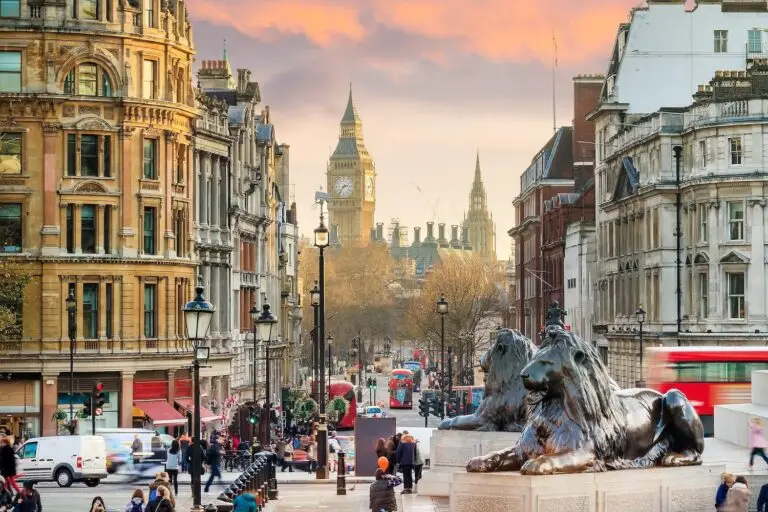
The discussion about cities often follows disciplinary lines. Housing is considered without reference to culture. Sustainability is frequently approached as a technical or engineering problem. Urban planning may become disconnected from lived experience, while architecture is sometimes discussed without sufficient consideration of society, culture, or community. Yet cities do not function through separated systems. Environmental, social, economic, and cultural conditions constantly interact, shaping the places where we live, work, and spend our free time.
As urban challenges become increasingly complex, the limitations of fragmentation also become more visible. Questions surrounding housing affordability, climate resilience, public space, migration, inequality, infrastructure, and urban identity cannot be resolved through single-disciplinary approaches alone. Decisions made in one area inevitably influence many others. Housing policy can affect mental health and social inclusion, while transport systems influence both accessibility and the environmental impact of cities.
Urban thinkers such as Jane Jacobs argued that cities thrive through diversity, interaction, and connected urban life. More recently, discussions surrounding participatory urbanism, sustainability, and interdisciplinary research have continued to highlight the importance of collaboration across different sectors and fields.
Cross-sector conversations, therefore, appear increasingly necessary today. Different groups engage with urban issues from distinct perspectives and priorities, yet opportunities for meaningful dialogue among these voices often remain limited. The question is whether more spaces can be created where different forms of knowledge, experience, and practice may interact more openly and collaboratively.
Cities Are Complex Systems
Cities are shaped by multiple systems operating simultaneously and influencing one another in visible and invisible ways. Housing, transport, governance, economy, infrastructure, ecology, culture, and social life are deeply connected, and changes within one area often produce consequences in many others.
Transport systems, for example, are not only about mobility. They also influence accessibility, environmental sustainability, economic opportunity, and social inclusion. Housing extends beyond the provision of shelter and connects to public health, affordability, community formation, and quality of life. Public spaces similarly shape social interaction, cultural identity, safety, and the sense of belonging people experience within cities.
Because of this complexity, urban problems can rarely be understood through isolated frameworks alone. Solutions developed within a single discipline may overlook social, environmental, cultural, or economic consequences emerging elsewhere. In some cases, highly technical approaches may fail because they do not fully engage with the lived realities of communities and everyday urban experience.
Urban theorists and researchers have long discussed the layered nature of cities. Richard Sennett, for example, emphasised openness, interaction, and cooperation within urban environments, while Henri Lefebvre argued that urban space is socially produced rather than simply physically constructed. These perspectives suggest that cities cannot be understood only through buildings and infrastructure, but also through relationships, power structures, everyday practices, and collective experiences.
As contemporary cities continue to face pressures related to climate change, inequality, migration, rapid urbanisation, and technological transformation, understanding urban life as a layered and interconnected system becomes increasingly important.
The Problem with Professional Silos
Although cities function through interconnected systems, the people and institutions involved in shaping them often work according to very different priorities, pressures, and ways of thinking. Architects, urban planners, researchers, policy-makers, NGOs, public institutions, developers, artists, and community groups may all engage with urban questions, yet they frequently approach them from separate perspectives and agendas.
In academia, discussions may focus on theoretical frameworks, critical debates, and long-term research questions. Policy-makers may prioritise governance, legislation, implementation, and measurable outcomes. Practitioners often work within the realities of budgets, clients, regulations, and time constraints, while NGOs and community organisations may focus more directly on social impact, accessibility, advocacy, and lived experience.
These differences are not necessarily negative. In many cases, they reflect the complexity of urban life itself. However, limited communication between sectors can create fragmented approaches to urban problems. Different groups may work toward related goals while using different priorities, terminology, and methods
As a result, opportunities for meaningful collaboration can remain limited. Important knowledge produced in one sector may not easily reach another, while some urban decisions risk being shaped without sufficient engagement with social realities, cultural contexts, or community perspectives. In some cases, groups working on related urban issues may rarely interact directly, despite addressing overlapping concerns.
Creating more opportunities for dialogue between sectors and disciplines may therefore become increasingly important in developing broader and more responsive approaches to urban futures.
Creating Spaces for Dialogue
Creating spaces where different disciplines, sectors, and perspectives can interact may help open new ways of understanding urban challenges and imagining possible futures. Cross-sector dialogue does not mean removing disciplinary expertise; rather, it creates opportunities for different forms of knowledge and experience to engage with one another more meaningfully.
Such dialogue may take many forms. Conferences, seminars, workshops, publications, public discussions, and collaborative projects can all function as spaces where ideas move across institutional and disciplinary boundaries. In recent years, interdisciplinary platforms have become increasingly important in connecting academic research with professional practice, public engagement, and policy discussions.
This also raises important questions about how urban knowledge is shared and who is included within these conversations. Discussions surrounding housing, sustainability, public space, planning, architecture, and culture are often closely connected in practice, even when separated institutionally. Questions of affordability, mobility, governance, inequality, participation, identity, and belonging frequently overlap within everyday urban life.
Within this context, platforms such as SPACE Studies aim to encourage interdisciplinary and cross-sector dialogue through conferences, workshops, seminars, and publications that bring together participants from different professional and academic backgrounds. The Autumn Conference Series 2026, for example, was developed around the idea that conversations surrounding sustainability, housing, planning, architecture, and culture should not remain entirely isolated from one another. While each conference focuses on a distinct theme, together they attempt to open broader discussions about the future of cities and the multiple systems shaping urban life.
Cross-sector dialogue alone cannot resolve the complex challenges facing contemporary cities. However, creating more spaces for exchange, collaboration, and critical discussion may help encourage more connected, reflective, and inclusive approaches to urban futures.

Further Reading and References
Jacobs, J. (1961). The death and life of great American cities. Random House.
Lefebvre, H. (1991). The production of space (D. Nicholson-Smith, Trans.). Blackwell. (Original work published 1974)
Sennett, R. (2018). Building and dwelling: Ethics for the city. Farrar, Straus and Giroux.
If you found this article helpful, feel free to share it with your network! Spreading the word helps us create more valuable content for the community.